
1. Introduction
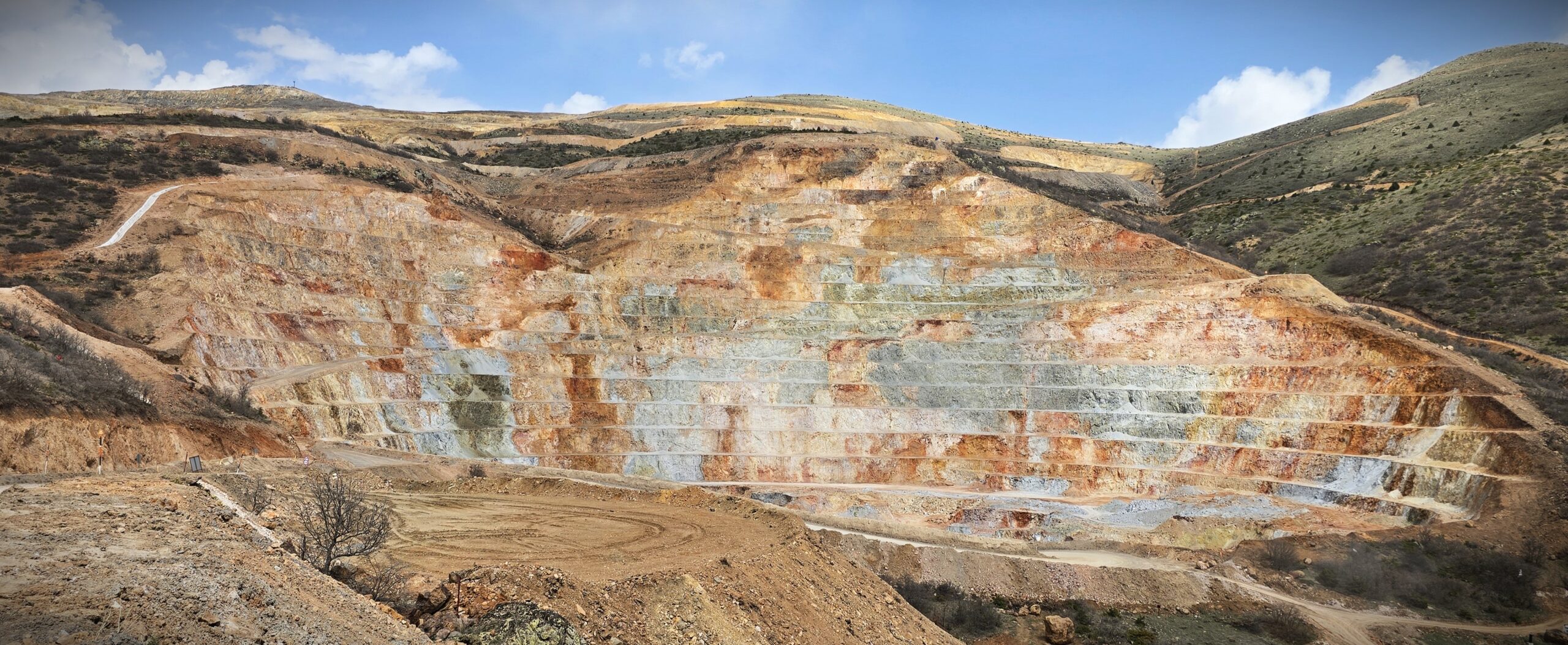
In open-pit mining, slope stability is a critical factor that directly affects operational safety, resource recovery, and economic performance. The process of designing, implementing, reconciling, and optimizing slopes requires a multidisciplinary approach involving geotechnical engineering, hydrogeology, and continuous monitoring.
2. Slope Design
Slope design begins with comprehensive geotechnical investigations. Engineers analyze rock mass properties, structural geology, groundwater conditions, and stress regimes to determine safe slope angles and bench configurations. The design must balance safety with economic efficiency—steeper slopes may reduce stripping ratios but increase geotechnical risk.
Key considerations include:
- Rock strength and discontinuity patterns
- Groundwater pressure and drainage potential
- Seismic activity and regional stability factors
- Equipment access and operational layout
3. Implementation
Once the design is finalized, field implementation involves precise excavation, bench construction, and installation of drainage systems. Coordination between engineering teams and field crews is essential to ensure that the slope geometry matches the design specifications.
Implementation tasks may include:
- Controlled blasting and excavation sequencing
- Installation of horizontal drains or dewatering wells
- Real-time surveying and slope angle verification
- Safety inspections and hazard mitigation
4. Reconciliation
Reconciliation is the process of comparing actual slope performance with design expectations. This involves collecting field data—such as displacement measurements, pore pressure readings, and visual inspections—and integrating it into geotechnical models.
Reconciliation helps to:
- Identify deviations from design assumptions
- Update geological models with real-world data
- Refine risk assessments and trigger thresholds
- Inform future slope designs and corrective actions
5. Optimization
Slope optimization is a continuous process aimed at improving safety, maximizing ore recovery, and reducing operational costs. It leverages reconciliation data, advanced modeling tools, and monitoring systems to adjust slope geometries and drainage strategies.
Optimization techniques include:
- Numerical modeling (e.g., FLAC, Slide2, RS2)
- Probabilistic risk analysis
- Integration of slope monitoring data (radar, LiDAR, inclinometers)
- Adaptive excavation and slope angle adjustments
6. Conclusion
Effective slope management in mining is not a one-time task—it’s a dynamic cycle of design, execution, validation, and improvement. By investing in robust geotechnical practices and real-time monitoring, mining operations can achieve safer working conditions, better resource utilization, and long-term sustainability.